
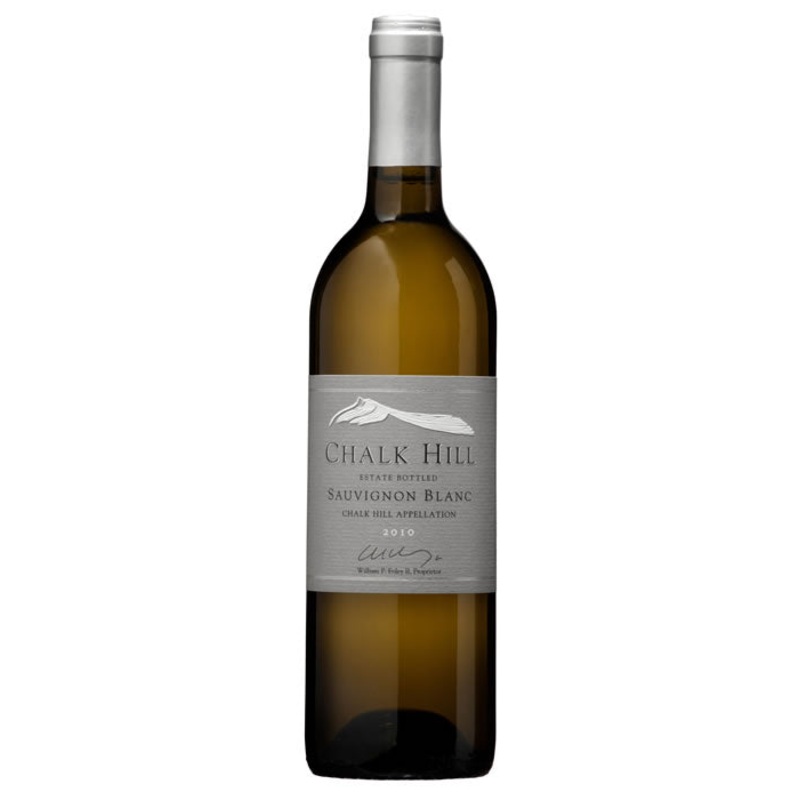
Description
Chalk Hill Sauvignon Blanc is a barrel-fermented Sonoma County white wine bottled at 14.5% ABV in a standard 750ml format. Scoring 92 points from both Wine Spectator and Wine Advocate, this estate-grown expression distinguishes itself from the category through extended oak aging and a multi-clone blend that adds uncommon richness and complexity to the varietal.
Quick Facts: ABV: 14.5% | Origin: Chalk Hill AVA, Sonoma County, California | Style: Barrel-Fermented White Blend | Winery: Chalk Hill Estate
Production & Heritage
Chalk Hill Estate Winery sits within the eponymous Chalk Hill AVA, a sub-appellation of the Russian River Valley recognized for its volcanic, chalky soils and warm daytime temperatures. The blend consists of 90% Sauvignon Blanc, 4% Sauvignon Gris, 3% Sauvignon Musqu, and 3% Semillon a composition that layers tropical aromatics and textural weight onto the varietal’s citrus backbone. Fermentation takes place in a combination of new French oak (approximately 9%), neutral oak (64%), and stainless steel (27%) using both native and cultured yeasts, followed by roughly seven to ten months of barrel aging. This approach sets it apart from the vast majority of Sauvignon Blancs on the market, which see only stainless steel and are released within months of harvest.
Tasting Notes
Aroma: The nose opens with white flowers and citrus peel Meyer lemon and kaffir lime leaf before giving way to passion fruit, guava, and honeydew melon. A subtle thread of wet stone and toast from the oak aging adds savory depth underneath the fruit.
Taste: On the palate, the entry is lush and immediately ripe, with guava and mango meeting crisp grapefruit zest at mid-palate. The texture is noticeably fuller than typical stainless-steel Sauvignon Blancs, carrying flavors of fresh thyme, fennel bulb, cucumber, and jicama through a juicy, well-structured frame. Balanced acidity keeps everything taut and refreshing despite the wine’s richness.
Finish: The finish is long and elegant, resolving on Meyer lemon, mineral notes, and a faint hint of ginger. A whisper of toasty oak lingers without overpowering the fruit, leaving a clean and satisfying impression.
How to Drink Chalk Hill Sauvignon Blanc
This wine rewards slightly cooler-than-cellar serving around 5055F in a large white wine glass that allows the aromatics to open fully. It drinks beautifully on its own, but the barrel-aged richness also makes it a versatile cocktail and spritz ingredient. A White Wine Spritz (wine, soda water, and a grapefruit twist) highlights the citrus aromatics without masking the texture. A Sangria Blanca built with tropical fruit, cucumber, and fresh herbs plays directly into the wine’s guava and thyme character. For a simple warm-weather serve, a Wine Cooler made with sparkling water and a sprig of lemongrass complements the wine’s natural lemongrass and lime peel notes.
Best For
- Hosting a summer dinner party where a single white needs to carry from appetizers through the main course
- Gifting a wine enthusiast who appreciates Sauvignon Blanc but wants something beyond the typical stainless-steel style
- Pairing with a seafood-forward meal at home
- Exploring California’s diverse Sauvignon Blanc landscape beyond Napa Valley benchmarks
Frequently Asked Questions
What does Chalk Hill Sauvignon Blanc taste like? It delivers ripe tropical fruit guava, mango, and passion fruit layered with Meyer lemon, grapefruit zest, and herbal notes of thyme and fennel, all supported by a fuller, rounder texture from barrel fermentation and aging in French oak.
How does Chalk Hill Sauvignon Blanc compare to typical California Sauvignon Blanc? Most California Sauvignon Blancs are fermented and aged entirely in stainless steel, producing a leaner, more overtly citric style; Chalk Hill’s extended barrel aging in French oak and its four-clone blend create a noticeably richer body, savory mineral complexity, and subtle toast that place it closer in texture to a white Bordeaux than to a conventional New World Sauvignon Blanc.
Is Chalk Hill Sauvignon Blanc good for sipping neat? Absolutely the wine’s layered aromatics, balanced acidity, and textural weight make it satisfying on its own, especially when served at 5055F to let the tropical and mineral notes fully develop.
Where is Chalk Hill Sauvignon Blanc made? It is estate-grown and produced at Chalk Hill Estate Winery in the Chalk Hill AVA, a sub-appellation within northern Sonoma County, California, known for its chalky, volcanic soils and warm growing conditions.
What foods pair well with Chalk Hill Sauvignon Blanc? Grilled halibut or sea bass, whose mild sweetness mirrors the wine’s tropical fruit; goat cheese salads, where the acidity cuts through the richness; herb-roasted chicken with fennel and thyme, which echoes the herbal palate notes; sushi and sashimi, where the citrus brightness complements raw fish; and Thai green curry, where the wine’s guava and lemongrass character bridges the dish’s aromatics.
What sizes does Chalk Hill Sauvignon Blanc come in? The standard release is a 750ml bottle; availability of other formats may vary by vintage and market.
Is Chalk Hill Sauvignon Blanc worth the price? Positioned as a premium estate Sauvignon Blanc, it competes in a tier where barrel-fermented expressions from top Sonoma producers sit; the 92-point scores from Wine Spectator and Wine Advocate reinforce strong value relative to its quality and production investment.
Why Chalk Hill Sauvignon Blanc?
The defining differentiator here is barrel fermentation and extended aging in French oak a production commitment that most Sauvignon Blanc producers avoid entirely. That choice, combined with the inclusion of Sauvignon Gris, Sauvignon Musqu, and Semillon in the blend, results in a wine with unusual textural depth and aromatic complexity for the varietal. Dual 92-point scores from Wine Spectator and Wine Advocate validate the approach. For anyone who finds standard Sauvignon Blanc too lean or one-dimensional, this Chalk Hill bottling demonstrates how far the grape can stretch when given serious winemaking attention and the right terroir.
Reviews
There are no reviews yet.